

Halloween Costume Care: How to Clean, Remove Stains & Store Costumes
September 21, 2026
How to Clean Suede and Leather Shoes & Boots: Care and Restoration Tips
October 12, 2026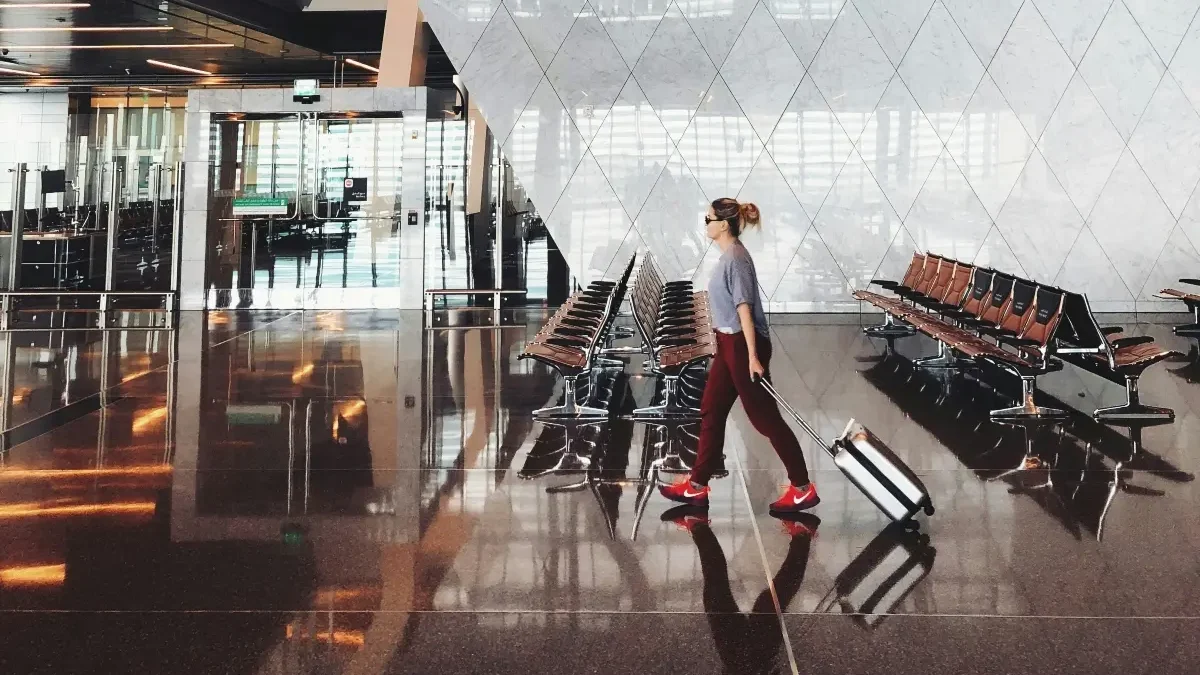
There are two kinds of airport outfits.
There’s the outfit that looks great when you leave the house.
And then there’s the outfit that still feels good after a delayed flight, a long walk to a different gate, several hours in an airplane seat, and an unexpected sprint through the terminal.
We strongly recommend dressing for the second scenario.
Air travel can involve temperature swings, cramped seats, long stretches of sitting, lots of walking, and the occasional travel day that lasts much longer than planned. A little thought about what you wear and how you pack can make the entire experience considerably more comfortable.
Here are some of our favorite clothing and packing tips for easier airline travel.
Dress in Layers You Can Easily Add or Remove
Airport terminals can be warm. Airplanes can be chilly. Then you land somewhere with completely different weather.
Layers are your friend.
A T-shirt or tank topped with a cardigan, lightweight jacket, or full-zip hoodie gives you plenty of flexibility without requiring you to pull a sweatshirt over your head in an airplane seat every time you get too warm.
That last part matters more than it sounds.
When you’re wedged into a row with another passenger six inches away, clothing that can be easily zipped, unzipped, removed, and put back on is much more convenient.
Choose layers that are comfortable enough to wear for hours and easy enough to stash in your carry-on if you don’t need them.
Choose Pants You Can Actually Sit In
A flight is not the time for pants that only feel comfortable when you’re standing perfectly upright.
Look for soft fabrics, stretch, and a waistband that stays comfortable while you’re seated.
Our unofficial rule?
If you have to suck it in to zip them up, don’t fly in them.
You may be sitting for several hours, and travel delays can turn a relatively short trip into an all-day affair. Clothing that pinches, constricts, or digs into your waist at home isn’t going to improve at 30,000 feet.
That doesn’t mean you have to fly in pajamas. Stretchy trousers, knit pants, leggings, comfortable jeans, and other flexible options can still look perfectly put together.
Never Travel in Shoes You Aren’t Prepared to Run In
Airports involve much more walking than most people realize until they’re rushing from one end of a terminal to the other.
Wear comfortable, broken-in shoes with good support.
We’d skip the heels completely for a travel day. Between escalators, moving walkways, luggage, slick floors, long concourses, and the possibility of a sudden gate change, airport footwear should prioritize stability and comfort.
A good rule of thumb is simple:
Never travel in shoes you wouldn’t be prepared to run in.
Save the dressier pair for your suitcase.
If You Need a Heavy Coat, Make Sure You Can Stow It
Flying out of Omaha in the middle of winter can create an immediate problem: you need a substantial coat to get to the airport, but you may have absolutely no desire to carry that coat through the terminal or wear it on the plane.
Plan for that before you leave home.
If possible, leave enough room in your carry-on to stash your coat once you’re inside. A lightweight packable down coat is especially useful because it can provide plenty of warmth while compressing into a surprisingly small space.
The goal is to avoid spending an entire travel day juggling a coat you don’t want to wear.
Start Your Trip in Clean Clothes
This seems obvious, but it deserves to be said.
Travel in freshly cleaned clothing, including your undergarments and socks.
Flights get delayed. Connections get missed. Checked luggage occasionally arrives somewhere other than where you do.
When you get dressed for the airport, ask yourself:
Would I be ok with wearing this for the next 24 hours if I had to?
Breathable, moisture-managing fabrics are particularly helpful for base layers and undergarments because travel can involve a surprising amount of walking, temperature changes, and time spent sitting close to other people.
Consider Compression Socks for Longer Flights
Compression socks are popular with many travelers on long flights because prolonged sitting can leave legs and feet feeling tired or swollen.
If you already use compression socks or have been advised to wear them, put them on before you get settled on the plane rather than trying to wrestle with them in your seat later.
If you have circulation problems or other medical concerns, talk with your healthcare provider about whether compression garments are appropriate for you.
Think of Your Carry-On as Your Travel-Day Survival Kit
Your carry-on shouldn’t simply contain whatever didn’t fit in your checked suitcase.
Think about what you would genuinely need if your checked luggage didn't arrive with you.
Good candidates include:
- Medications and other essentials you need regularly
- Phone and device chargers
- Toothbrush and basic toiletries
- Contact lens supplies
- Backup eyeglasses
- A clean pair of underwear and socks
- One lightweight change of clothing when space allows
You may never need the backup.
But if you do, you’ll be very glad it’s there.
A Rolling Carry-On Can Save Your Shoulders
Backpacks are convenient, but carrying the weight of your luggage on your shoulders for hours isn’t necessarily the most comfortable way to navigate a large airport.
For trips where a standard carry-on works, we like a hard-sided rolling bag with four spinner wheels that rotate 360 degrees.
You can roll it alongside you through the terminal rather than carrying the entire weight on your back. It also gives you somewhere to set a personal item while you’re waiting in line.
If you prefer a backpack, keep the weight reasonable and make sure the straps are properly adjusted. The goal is simply to avoid starting your vacation with aching shoulders and a sore neck.
Bring an Empty Reusable Water Bottle
Air travel can be dehydrating, and buying bottled water throughout an airport gets expensive quickly.
Bring an empty reusable bottle and fill it once you’re through security. Our favorite is the OG Nalgene bottle.
If you enjoy electrolyte drink mixes, tuck a few individual packets into your carry-on as well.
It's an easy way to stay hydrated without buying another disposable bottle every time you travel.
Prepare Your Electronics Before You Leave Home
Charge your phone, headphones, tablet, e-reader, and any other devices before leaving for the airport.
Then download anything you may want during the flight while you still have reliable Wi-Fi:
- Movies
- TV shows
- Podcasts
- Audiobooks
- E-books
- Music playlists
Airport Wi-Fi, airplane Wi-Fi, and charging outlets are useful when they work.
Don't build your entire entertainment plan around the assumption that they will.
Set Yourself Up for Comfort in Dry Cabin Air
Airplane cabins can feel very dry, especially on longer flights.
A few tiny items can make a big difference:
- Lip balm
- Eye drops if you’re prone to dry eyes
- Saline nasal spray
- A travel pillow
- A sleep mask for overnight flights
Hot Tip: when you use a travel pillow to sleep, try turning it around so the opening is behind your neck. For some travelers, having the thicker section support the front or side of the neck helps prevent the head from falling forward while sleeping.
A sleep mask with integrated headphones can also eliminate one more item to keep track of during an overnight flight.
A Hair Clip Is Surprisingly Useful
If you have longer hair, consider traveling with a large jaw clip.
You can put your hair up without creating the uncomfortable bump against the seat that a high ponytail sometimes causes.
When you take it out, clip it onto your cardigan, hoodie, purse, or personal item instead of dropping it into the bottom of your bag.
A sturdy clip can also temporarily hold together small lightweight items you’re trying not to lose.
It's a tiny travel tool that earns its place in a carry-on.
Pack Shoes Separately From Clothing
Shoes have been on sidewalks, bathroom floors, airport floors, parking lots, and everywhere else you’ve walked.
They don’t need to be rubbing directly against the clean clothes in your suitcase.
Use washable shoe bags, reusable drawstring bags, or another lightweight barrier to keep footwear separated from the rest of your wardrobe.
It also makes unpacking considerably easier.
Roll Some Clothes, but Don’t Roll Everything
Rolling clothing can save space and help reduce hard fold lines in soft, casual garments such as T-shirts, leggings, pajamas, and some knitwear.
Structured garments deserve more care.
Blazers, dress pants, dresses, and other tailored pieces are usually better gently folded along their natural construction rather than tightly rolled into cylinders.
If something arrives wrinkled, hang it as soon as you reach your destination. Giving a garment time to relax can make a significant difference before you reach for an iron or steamer.
Use Your Socks to Protect Delicate Items
Packing space should work twice whenever possible.
Clean rolled socks can be tucked inside shoes to help them hold their shape.
They can also be placed inside molded bra cups to help prevent the cups from being crushed or folded during transit.
Small jewelry can be stored in a compact jewelry organizer or pill-style compartment case so earrings, rings, and chains don’t end up scattered throughout your suitcase.
Bring a Separate Bag for Dirty Laundry
One of the easiest ways to keep a suitcase organized during a trip is to separate worn clothing from clean clothing immediately.
A lightweight mesh or washable laundry bag takes up almost no room when empty.
As clothing is worn, put it into the laundry bag rather than mixing it back in with clean pieces.
When you get home, unpack promptly. Clothing with visible stains, food spills, perspiration, or other soil shouldn’t spend another week sitting inside a suitcase.
If something needs professional garment care, set it aside for the dry cleaner rather than putting it back into your closet.
Give Checked Luggage a Little Help Finding Its Way Home
A luggage tracker can provide useful peace of mind when you check a suitcase, especially when your trip includes connections. An Apple AirTag is the perfect gadget for this. Slip it inside your checked bag, and you'll always know where it is even if the airlines don't.
Add a secure luggage tag with your contact information or your business card as well.
And before you leave home, take a quick photo of your suitcase. If you ever need to describe a missing bag, having the photo is much easier than trying to remember exactly which medium-sized black suitcase is yours.
A small luggage scale can also be useful when packing for your return trip, particularly if you have a tendency to come home with more than you left with.
Make a Packing Checklist and Reuse It
You don’t need to reinvent your packing list every time you travel.
Create one master checklist on your phone and adjust it for each trip.
Include the things that are easy to forget, not just shirts and pants:
- Chargers
- Medications
- Eyeglasses and contacts
- Travel documents
- Sleepwear
- Undergarments
- Socks
- Weather-appropriate outerwear
- Comfort items for the flight
- Laundry and shoe bags
Once you have a good master list, packing becomes considerably faster and less stressful.
Dress for the Travel Day You Might Have, Not Just the One You Planned
The best airport outfit probably isn’t the most fashionable outfit in your suitcase.
It’s the one that lets you walk comfortably, sit comfortably, add or remove layers, handle a delay, and arrive at your destination without desperately wanting to change clothes.
The same philosophy applies to packing.
Prepare for the trip you expect, but leave yourself a little insurance for the trip you might actually get.
Wear clean, comfortable clothing. Keep the essentials with you. Protect the garments you pack. Give yourself options.
Then get on the plane and enjoy the trip.
--
Author's note: This article is for informational purposes, and is not an endorsement of any of the linked companies, websites, vendors or products. The suggested products are shown as examples only. We encourage you to do thorough research before making any online purchases.
Photo Credit:
Unsplash


