How to Clean Suede and Leather Shoes & Boots: Care and Restoration Tips
October 12, 2026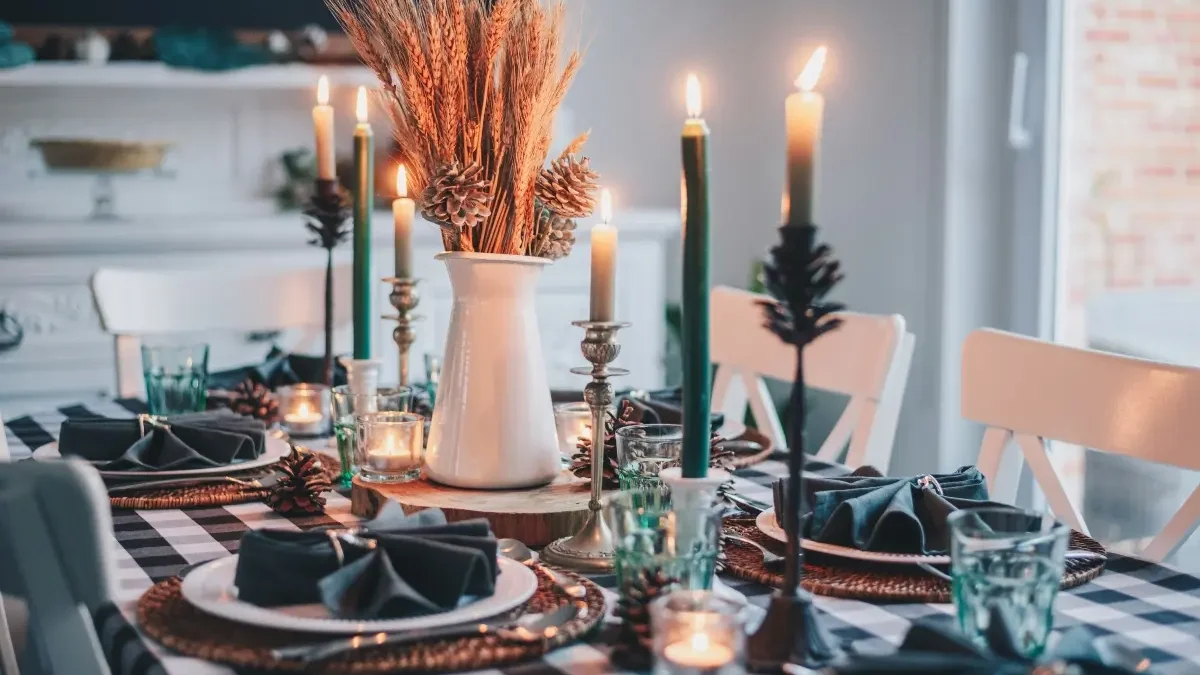
Thanksgiving dinner has a way of bringing out the table linens we don’t use every day.
The good tablecloth. Cloth napkins. Grandma’s embroidered runner. The placemats that spend most of the year tucked away in a drawer.
Then we cover them with gravy, butter, cranberry sauce, red wine, coffee and candle wax.
That’s part of using and enjoying them.
The good news is that a little planning before the meal – and the right response afterward – can help keep your favorite holiday table linens looking their best for many Thanksgivings to come.
Start With Clean Linens Before Thanksgiving Dinner
If your holiday linens have been stored since last year, don’t wait until Thanksgiving morning to pull them out.
Take tablecloths, runners, napkins and placemats out of storage several days ahead of time. This gives you a chance to inspect them for:
- Yellowing or discoloration
- Stains that may have appeared during storage
- Musty odors
- Deep wrinkles or fold lines
- Loose embroidery, lace or trim
- Damage that may require attention before use
Something that looked perfectly clean when you stored it can sometimes develop discoloration months later. Food residue, body oils and other substances can remain in fabrics even when they aren’t initially visible.
If your linens need cleaning, giving yourself a few days before the holiday is much less stressful than discovering a mystery stain while you’re setting the table. If you plan to bring any linens in to the dry cleaner before using them on your holiday table, please note that this service can take up to one week to be completed, as it is more involved and time consuming than regular clothing dry cleaning. Ensure you drop them off with enough time to get them back before you actually need the linens.
Check the Care Label Before Washing or Ironing
Not every tablecloth belongs in the washing machine.
Modern cotton and polyester table linens are often washable, but vintage, embroidered, lace, linen, silk-blend and specialty pieces may have very different care requirements.
Before cleaning, check the manufacturer’s care instructions whenever they’re available.
And if you’re dealing with an heirloom piece or something with significant sentimental value, it may be worth having it professionally evaluated rather than experimenting with stain removers or aggressive washing at home.
Be Careful With Heat Before the Meal, Too
A freshly pressed tablecloth looks beautiful, but inspect it before reaching for the iron.
If you notice a stain, don’t iron directly over it.
Heat can make certain stains more difficult to remove. The same rule applies later when you’re laundering your linens: don’t automatically put a stained tablecloth or napkin into the dryer just because it has been through the washing machine.
Check that the stain is actually gone first.
What to Do When Something Spills During Thanksgiving Dinner
First: don’t panic.
You do not need to interrupt Thanksgiving dinner and perform emergency laundry in the middle of dessert.
But there are a few things you can do immediately that may improve the odds of successful stain removal later.
- Blot instead of rubbing. Rubbing can spread a stain and push it farther into the fibers.
- Remove excess food gently. Use the edge of a spoon or another dull object rather than grinding food into the fabric.
- Don’t reach for random cleaning products. The wrong treatment can make some stains more difficult to remove.
- Remember what caused the stain. Knowing whether a spot is gravy, wine, coffee or candle wax can be extremely helpful when it is time to treat it.
If the linen is valuable, vintage, delicate or dry-clean-only, sometimes the best immediate response is simply to blot the excess and leave the rest to a professional.
Gravy, Butter and Other Greasy Thanksgiving Stains
Gravy may be delicious, but from a stain-removal perspective it can be complicated.
Many gravies contain both water-based ingredients and fats, which means the stain may require more than simply rinsing it with water.
The same is true for:
- Butter
- Salad dressing
- Cooking oils
- Cream sauces
- Turkey drippings
For washable linens, follow the care label and use an appropriate laundry pretreatment designed for oily stains before washing. Our favorite grease remover that is safe for most fabrics is original blue Dawn dish soap. Spread a thin layer of the soap at full strength onto the stain, and let it sit overnight before laundering.
Most importantly, inspect the fabric before placing it in the dryer. If a greasy shadow remains, additional treatment may be needed.
Red Wine Stains
A knocked-over glass of wine is practically a holiday-dinner tradition.
For a fresh spill, gently blot up as much liquid as possible with a clean white cloth or absorbent towel. Avoid rubbing the stain back and forth.
If the fabric is washable and the care instructions allow it, cool water and an appropriate laundry pretreatment can help before washing.
Older wine stains can be more difficult, so don’t place the linen into seasonal storage assuming you’ll deal with it next year.
Cranberry Sauce and Other Fruit Stains
Cranberry sauce combines strong natural color with sugars, making it one of Thanksgiving’s more noticeable stains.
Remove excess sauce gently rather than rubbing it into the fabric. For washable linens, prompt treatment and cool water can help before laundering according to the care label.
We’ve written an entire guide specifically about cranberry stains, so if the cranberry bowl ends up somewhere it shouldn’t, you can also read our guide to removing cranberry sauce stains.
The same general rule applies to other fruit-based foods and drinks: the sooner they’re properly addressed, the better.
Coffee and Tea Stains
Coffee often arrives at the exact moment everyone is relaxing after dinner – which is also when cups seem especially likely to get bumped.
Blot fresh spills rather than rubbing them. Washable linens can generally be treated with cool water and an appropriate laundry pretreatment before being washed according to their care instructions.
Coffee gets more complicated when cream or milk is involved because the stain now contains both the beverage and additional fats or proteins.
If you aren’t sure how to treat an expensive or delicate tablecloth, don’t start experimenting with multiple products. Bring it to a professional dry cleaner and tell them exactly what was spilled.
What About Candle Wax?
Candles make a holiday table beautiful right up until wax drips onto the tablecloth.
Don’t rub warm wax farther into the fibers.
Allow it to cool and harden, then gently remove what can be lifted from the surface without damaging the fabric.
Wax can leave behind both an oily residue and, in the case of colored candles, dye. That makes the remaining stain more complicated than simply removing the hardened wax you can see.
For valuable, delicate or vintage linens, we’d recommend letting a professional handle the rest rather than applying high heat or strong solvents at home.
Don’t Let Dirty Table Linens Sit for Days
After hosting Thanksgiving, washing a tablecloth may be fairly low on your list of things you want to do. We understand.
But it’s best not to leave heavily stained linens crumpled in a laundry basket for an extended period.
As stains age, they can become more difficult to remove. Sugars, oils, beverages and food residue also aren’t things you want sitting in fabric any longer than necessary.
Once the dishes are handled and the leftovers are safely in the refrigerator, at least take a few minutes to assess the linens.
Separate anything that needs professional attention, rather than accidentally sending it through the washer or dryer with everything else.
Should You Wash Holiday Linens at Home or Take Them to the Dry Cleaner?
That depends on the linen.
Machine-washable everyday tablecloths and napkins can often be safely cared for at home when you follow the care instructions.
Professional dry cleaning is worth considering when you’re dealing with:
- Dry-clean-only fabrics
- Fine linen
- Vintage or antique tablecloths
- Hand embroidery
- Lace or delicate trim
- Heirloom pieces
- Unidentified or difficult stains
- Multiple types of stains on the same item
- Pieces with significant sentimental value
Sometimes a tablecloth is technically washable, but that doesn’t necessarily mean you want to experiment on the one your grandmother used every Thanksgiving.
When the piece matters, professional care can be the safer choice.
Clean Holiday Linens Before Putting Them Back Into Storage
This may be the most important tip in this entire article:
Never knowingly store dirty holiday linens until next year.
Even if a stain is barely visible – or you can’t see one at all – food, oils, beverages and other residue can remain in the fabric.
Over time, some stains can oxidize and become yellow or brown. Food residue and body oils may also attract insects like moths during long-term storage.
Once your linens are completely clean and dry, they’re ready to be put away.
How to Store Table Linens After the Holidays
Clean linens deserve better than being stuffed into a plastic bag and forgotten for 11 months.
For long-term storage:
- Make sure everything is completely clean and dry.
- Store linens in a cool, dry place away from direct sunlight.
- Avoid damp basements or other areas prone to humidity.
- Fold items loosely rather than compressing them tightly, or drape them over a hanger with a wide round bottom to prevent creasing.
- For valuable linens, consider acid-free tissue between folds.
- Periodically refold heirloom pieces along different lines to avoid repeatedly stressing the same fibers.
If you’re storing special linens for a long period of time, breathable storage is generally preferable to trapping them in an environment where moisture could become a problem.
Special Care for Vintage and Heirloom Table Linens
Holiday linens often have something ordinary laundry doesn’t: a family history.
Maybe it’s the tablecloth your parents used when you were growing up. Maybe the napkins were embroidered by a grandmother. Maybe you only pull a particular runner out once a year because Thanksgiving simply doesn’t look right without it.
Older textiles can become more fragile with age, and previous stains, cleaning methods, storage conditions and fiber deterioration can all affect how they should be treated today.
Before aggressively washing, bleaching, scrubbing or soaking an heirloom linen, consider having someone experienced with textile care evaluate it.
The goal isn’t simply to make it look clean for this Thanksgiving.
It’s to make sure it’s still around for the next one.
Enjoy the Dinner – The Tablecloth Can Be Cleaned
A holiday table is meant to be used.
There will probably be crumbs. Someone may drip gravy. A wine glass might get bumped. Cranberry sauce may end up somewhere other than the plate.
That’s okay.
Knowing how to respond to spills – and properly cleaning your linens before storing them – can help protect the tablecloths, napkins and other special pieces that are part of your family’s holiday traditions.
And if Thanksgiving leaves behind a stain you’re not comfortable tackling yourself, bring your linens to Max I. Walker. We’ll take a look, identify the best approach for the fabric and stain, and help get them ready for the next gathering.
Frequently Asked Questions About Holiday Table Linens
Should I wash a tablecloth before using it for Thanksgiving?
If it has been stored for a long time, inspect it several days before Thanksgiving. If it has stains, odors or visible soil, clean it according to its care instructions before use. This also gives you time to address any problems before you’re setting the table. If it needs to be professionally dry cleaned, make sure you bring it to the dry cleaner 8-10 days before the holiday, to give ample time for the service to be completed. Linen cleaning services can take up to one week to be completed.
How should I clean a fresh food stain on a tablecloth?
Blotting or gently removing excess food is generally the best plan. Never rub, which can spread the stain and work it farther into the fabric.
Can I put a stained tablecloth in the dryer?
Inspect it first. Heat can make some remaining stains permanent or more difficult to remove. If you can still see the stain after washing, treat it again or seek professional help before machine drying.
Should vintage table linens be washed at home?
It depends on the fabric, construction and condition of the piece. Vintage linens can become fragile over time, so valuable or sentimental pieces are worth having professionally evaluated before attempting aggressive stain removal or washing.
Should holiday table linens be cleaned before storage?
Yes. Store linens only when they are clean and completely dry. Food, beverage stains, body oils and other residue can discolor over time and may attract insects like moths during long-term storage.
Photo Credit:
Unsplash